Quick answer
Asset finance is any way of paying for equipment or vehicles over time instead of upfront. In Australia the main structures are a chattel mortgage (you own it, the lender holds security over it), a finance lease or rental (the lender owns it, you pay to use it), an unsecured business loan, and a loan secured against property. The right one depends on how long the asset lasts, whether you want to own it, and how it affects tax and cash flow.
Key points
- Chattel mortgage: you own the asset from day one, the lender takes security over it.
- Lease or rental: the lender owns it and you pay to use it, with options at the end.
- Unsecured or property-backed loans: the asset stays free of any registered interest.
- Match the term to the asset's working life, and ask your accountant about tax treatment.
- Main structures
- Chattel mortgage, lease, rental, business loan
- Security
- The asset itself, property, or none
- Key decision
- Own it, or use it
- Check with
- Your accountant on GST and depreciation
Asset finance is a broad label for paying off equipment or vehicles over time. Most businesses meet it when a supplier says “we can arrange finance for that”. But the finance a supplier offers is only one of several structures, and the best one for a forklift isn’t necessarily the best one for a coffee machine or a fit-out. This page lays them out side by side.
What are the main ways to finance equipment?
| Structure | Who owns the asset | Security | Suits |
|---|---|---|---|
| Chattel mortgage | You, from day one | Registered over the asset on the PPSR | Vehicles and resaleable equipment you’ll keep |
| Finance lease | The financier | The financier’s ownership | Equipment you may upgrade regularly |
| Rental or operating lease | The financier | The financier’s ownership | Tech that dates quickly |
| Unsecured business loan | You | None over property or the asset (guarantee usual) | Used, specialised or smaller purchases |
| Property-backed business loan | You | Mortgage or caveat over property | Large or multiple purchases, older assets |
Each has its own tax and GST treatment. As a general guide, owning the asset (chattel mortgage or a loan) usually means you claim depreciation and interest, while leasing usually means the payments themselves are the deduction. Your accountant should confirm what suits your situation.
How does a chattel mortgage work?
You buy the equipment, the lender pays the supplier, and a security interest is registered on the Personal Property Securities Register. You make regular repayments, sometimes with a balloon at the end. Once it’s paid off, the registration comes off and the asset is yours outright.
It’s popular because it’s simple and the asset itself is the security. The catch is that financiers prefer assets with a clear resale market. A late-model ute is easy; a custom-built conveyor line or a twelve-year-old machine is harder.
When does a business loan beat asset finance?
Plenty of situations, especially for the kinds of purchases we see at LendFriend:
- The equipment is old, second-hand or specialised. It may not qualify as security, or only for a short term.
- You’re buying several things at once. A kitchen, a coffee machine and a fit-out wrapped into one unsecured loan is simpler than three separate contracts.
- You’re buying privately. Some asset financiers won’t fund private sales.
- You want the asset unencumbered. No registration on it means you can sell or swap it freely.
- There’s equity in property. A secured business loan can offer a longer term and lower overall cost for big purchases.
How should you choose the term?
Match it to how long the asset earns money for you. A rough guide:
- Computers and tech: two to three years. Don’t still be paying for a laptop you’ve replaced.
- Vehicles and general equipment: three to five years.
- Heavy machinery and long-life plant: five years or more, often with a residual.
- Fit-outs: the length of your lease, or less. A fit-out stays behind when you move.
If repayments only work over a term longer than the asset’s life, the purchase may be too big for now, or a cheaper or used option might be the smarter buy. Our guide on buying outright or financing walks through that decision.
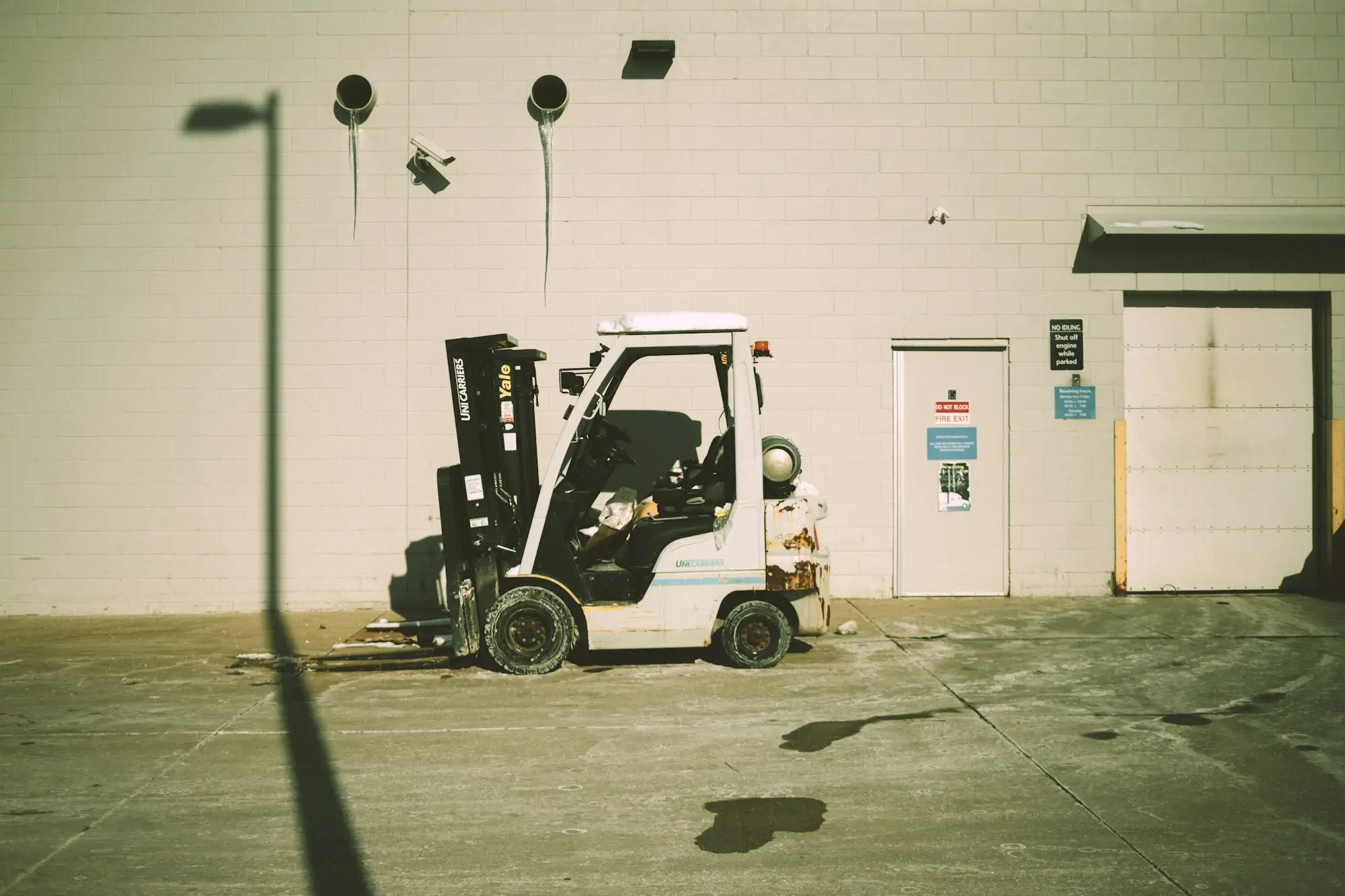
Illustrative example. A Townsville freight yard needs a new forklift ($65,000) and a used pallet wrapper from an auction ($9,000). The forklift is a textbook chattel mortgage: new, resaleable, five-year working life. The auction wrapper is easier to pay for from cash flow or a small unsecured loan, because few asset financiers will touch a private auction sale. Splitting the purchase this way keeps both deals simple.
What about tax time?
From 1 July 2026, small businesses with aggregated turnover under $10 million can permanently write off eligible assets costing less than $20,000 each in the year they’re first used or installed ready for use. That can apply whether you pay cash or finance the asset, provided you own it. Our guide to the instant asset write-off and finance explains the timing.
What questions should you ask a supplier’s finance offer?
Supplier and dealer finance is convenient, and sometimes it’s genuinely competitive. Before accepting it, ask:
- Is the price the same if I pay another way? Some “low repayment” deals are funded by a higher sticker price.
- What’s the total I’ll pay over the term, including every fee and any balloon?
- Who is the actual financier? The supplier is often just introducing you to a third party.
- What happens if I want to sell or upgrade early? Payout and break costs vary a lot.
- Are insurances or extended warranties bundled in? They may be optional and cheaper elsewhere.
There’s nothing wrong with taking the supplier’s offer if it stacks up. The point is to compare it on the same footing as any other option, using total dollars. Our guide to comparing business loan offers shows the method step by step.
Not sure which structure fits your purchase?
Tell us what you’re buying and we’ll work through it with you. Enquiring costs nothing and doesn’t put a mark on your credit file; a check only comes up when you’re ready to proceed. We don’t circulate your details to a long list of financiers. One person at LendFriend looks at the purchase, the business and any property, and calls you with a clear recommendation.
Accurate form answers, especially the item, its cost and whether it’s new or used, mean that first recommendation is the right one. Talk to us about your equipment.
Frequently asked questions
What is a chattel mortgage?
A chattel mortgage is a loan to buy equipment or a vehicle where you own the asset from the start and the lender registers a security interest over it on the PPSR. When the loan is repaid, the security is removed. It's the most common way Australian businesses finance vehicles and movable equipment.
What's the difference between a lease and a chattel mortgage?
With a lease, the financier owns the asset and you pay to use it, often with a residual or option to buy at the end. With a chattel mortgage, you own it and the lender holds security. The tax and GST treatment differ too, which is why your accountant should weigh in.
What is a balloon or residual payment?
A lump sum left owing at the end of the term. It lowers the regular repayments but means a big payment later, which you'll need to fund by cash, refinance or selling the asset. Set it at a level the asset will realistically be worth by then.
Can I finance used equipment?
Yes, though some asset financiers limit the age of equipment or vehicles they'll take as security. For older or specialised gear, an unsecured loan or property-backed loan can be simpler because it doesn't rely on the asset's resale value.
Which structure does LendFriend use?
Our own lending is business loans: unsecured and cash-flow options typically from $5,000 to $500,000 and property-backed loans from $20,000 to $5,000,000. Where an equipment-secured structure would clearly suit you better, we'll say so on the call.