Quick answer
Medical and dental equipment finance spreads the cost of dental chairs, imaging, scanners, lasers, sterilisation units and treatment-room fit-outs over the years they're used. Clinics are generally seen as steady businesses by lenders, but specialised equipment can have a thin resale market, so a business loan or property-backed loan is often simpler than finance secured on the equipment itself. The best purchases add billable appointments or new services.
Key points
- Lenders generally regard established clinics as steady earners.
- Specialised gear can be hard to resell, which shapes the funding choice.
- The best upgrades add appointments or services, not just shine.
- New practitioners buying in often need property security.
- Common purchases
- Chairs, imaging, scanners, lasers, autoclaves
- Structures
- Business loan, property-backed, equipment-secured
- Payback test
- New billable appointments or services per month
- Purpose
- Business purposes only
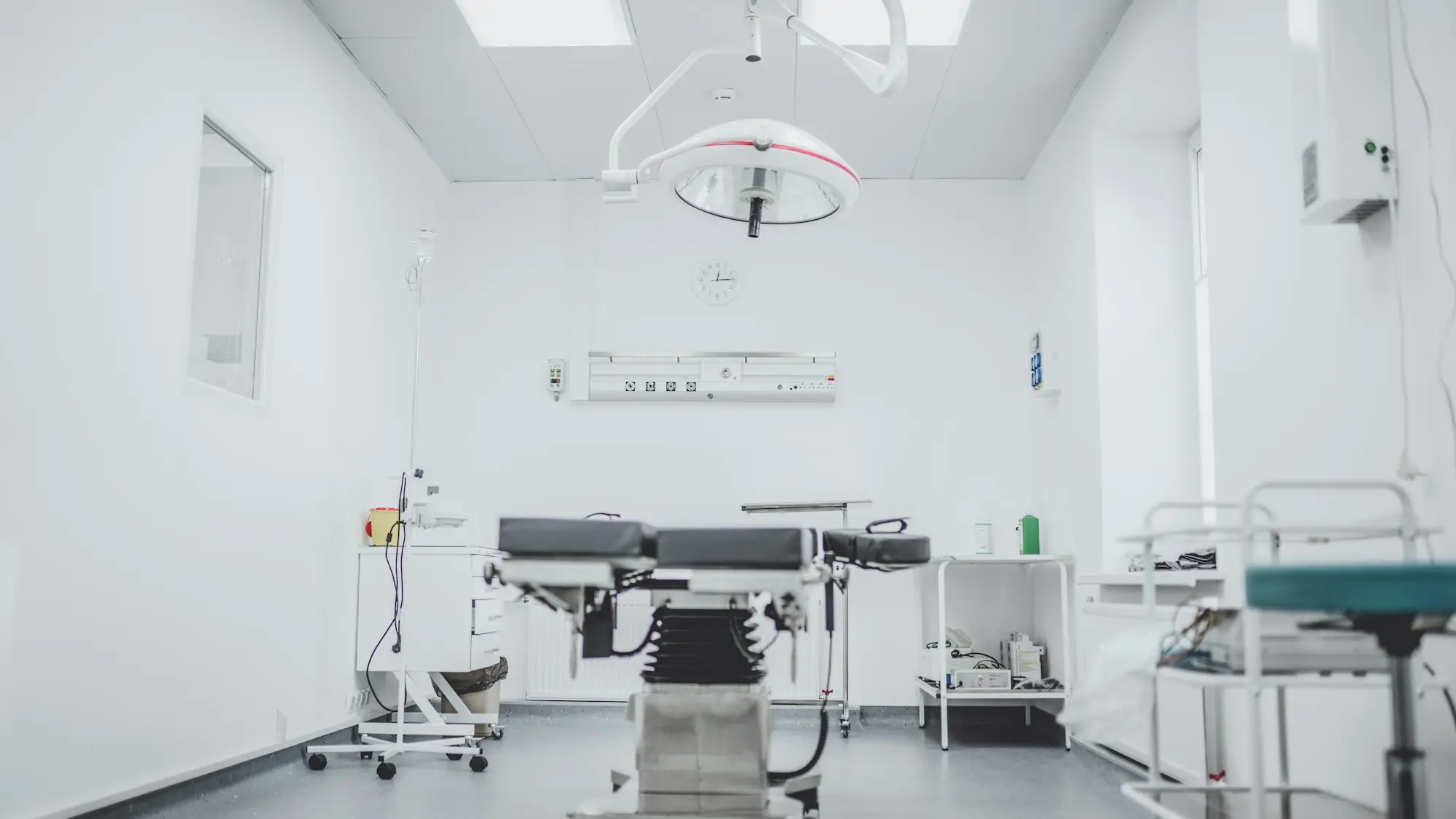
For dentists, GPs, physios, vets and allied health clinics, equipment is the business. A new intraoral scanner, a second treatment room, a laser that lets you offer a new service, a sterilisation upgrade that keeps you compliant. Medical and dental equipment finance spreads that cost across the appointments the equipment will support, so the clinic doesn’t have to drain its reserves.
What do clinics typically finance?
- Dental: chairs and delivery units, intraoral scanners, imaging, milling units, autoclaves, compressors and suction.
- Medical and allied health: examination tables, ultrasound, ECG, treatment lasers, rehab equipment.
- Veterinary: surgical tables, anaesthetic machines, imaging, kennels and runs.
- Practice systems: practice management hardware, phones, reception fit-out.
Which way of funding suits clinic equipment?
| Situation | Often the best fit | Why |
|---|---|---|
| Mainstream imaging or chairs from a major supplier | Equipment-secured finance or a loan | Established resale market |
| Specialised or used equipment | Unsecured business loan | Doesn’t rely on resale value |
| Whole new treatment room | One loan covering equipment and fit-out | Joinery and plumbing have no resale value |
| Buying into a practice | Property-backed loan | Goodwill can’t be repossessed |
| Several upgrades over a year | One facility, drawn as needed | Avoids a stack of small contracts |
If the differences between structures are new to you, asset finance explained lays them out.
How do you know the equipment pays its way?
Clinics have an advantage here: the maths is usually clear. Work out:
- Extra appointments. How many more bookable sessions per week the equipment allows.
- Average fee per appointment, net of consumables and practitioner costs.
- New services. Anything you currently refer out that you could now do yourself.
- Time saved. Digital scanning that cuts chair time, for example.
Multiply out to a monthly figure and compare it to the repayment. The purchase payback calculator will show how many months until the purchase has paid for itself.
Illustrative example. A two-chair dental practice in Ballarat has a waiting list of about three weeks. Fitting out a third surgery, with chair, cabinetry, plumbing and a sensor, comes to around $140,000. An associate dentist will work in it four days a week. Even at modest utilisation, the extra appointments cover the repayment within the first few months, and the waiting list shrinks. Because the cabinetry and plumbing can’t be repossessed, a single loan covering the whole room is simpler than splitting it.
What do lenders look for from clinics?
- Practice history. Established clinics with steady billing are viewed favourably.
- Practitioner registration and, for buy-ins, the agreement with the existing owners.
- Bank statements showing consistent income.
- Supplier quotes for the equipment and installation.
- For larger amounts, financials or property security.
Newly qualified practitioners setting up or buying in usually have little business trading history, so property equity often carries the application. Our page on startup business loans covers how lenders treat new ventures.
What about tax?
Eligible small businesses with turnover under $10 million can write off individual assets costing under $20,000 in the year they’re first used or installed ready for use. Many smaller clinic items qualify; chairs and imaging usually cost more and are depreciated instead. Timing an install before 30 June can bring deductions forward, but only once the equipment is actually installed. Your accountant should confirm.
How should a clinic plan the installation?
Clinic equipment upgrades often involve more than delivery. Before ordering:
- Check the room. Plumbing, suction, compressed air, power and data need to be in the right places.
- Schedule around patients. Install over a quiet week or weekend to limit lost appointments.
- Plan for compliance. Radiation-emitting equipment and sterilisation have their own requirements under state rules; your supplier should help with registration.
- Train the team so new equipment is used to full capacity quickly.
- Plan for downtime of the old equipment during changeover.
Including installation, cabinetry changes and training in the funding avoids squeezing these costs out of cash flow. It also means the equipment starts earning from the first day it’s available, rather than waiting on a second round of spending.
If you’re adding a service, such as implants, imaging or a new allied health offering, it’s worth planning the marketing too. New capacity only pays back if patients know it’s there.
Ready to add capacity to your clinic?
If the appointments are there and the equipment is the bottleneck, let’s fund it. Asking us won’t leave anything on your credit file; we only discuss a credit check once you decide to go ahead. We don’t send your enquiry out to a pile of lenders. A real person who understands practice finance looks at the purchase and calls you with options.
Please be accurate on the form about the equipment, the total cost including installation, and your practice’s turnover. It means the first option we bring is one that works. Start your clinic equipment enquiry.
Frequently asked questions
Can I finance a second dental chair or treatment room?
Yes. A second chair is one of the clearest payback cases in health care, because it adds bookable appointments. Include the chair, delivery unit, plumbing, cabinetry and any imaging in the same loan so the room is ready to earn on day one.
Is it better to finance imaging equipment against itself?
It depends on the item. Mainstream scanners and imaging units from big manufacturers have a resale market, so equipment-secured finance can work. Highly specialised gear or older units are often easier to fund with an unsecured or property-backed loan.
I'm buying into an existing practice. Can the equipment be included?
Usually, yes. When buying a share of a practice, the equipment, fit-out and goodwill are often funded together, and property security is common for larger amounts. See our page on buying a business for how lenders look at it.
How long should clinic equipment finance run?
Match it to the working life. Chairs and cabinetry can last many years; scanners and software-dependent devices may be superseded in five. Avoid paying for equipment after it's been replaced.
Do lenders need my practice financials?
For larger amounts, usually. Clinics with good bank statements and steady billing may qualify for smaller amounts on lighter paperwork. Property security can reduce what's needed further.